Natural world photography is all about capturing beauty and diversity though images. It explores different techniques and ideas such as, landscapes, wildlife, plants and natural scenes that exist in nature and showcase minimal human interference.
All of the animals, plants, and other things that exist in nature that are not made or caused by people.
Cambridge Dictionary definition of Natural World

Edward Weston
Edward Weston is an American photographer that is most famous for exploring lots of different still life and natural concepts. I like his photographs because they highlight every texture, and I was inspired by his rich tonal range of black and white to emphasize the objects’ form.
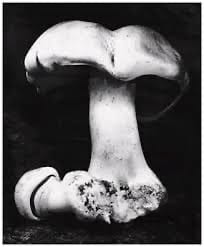


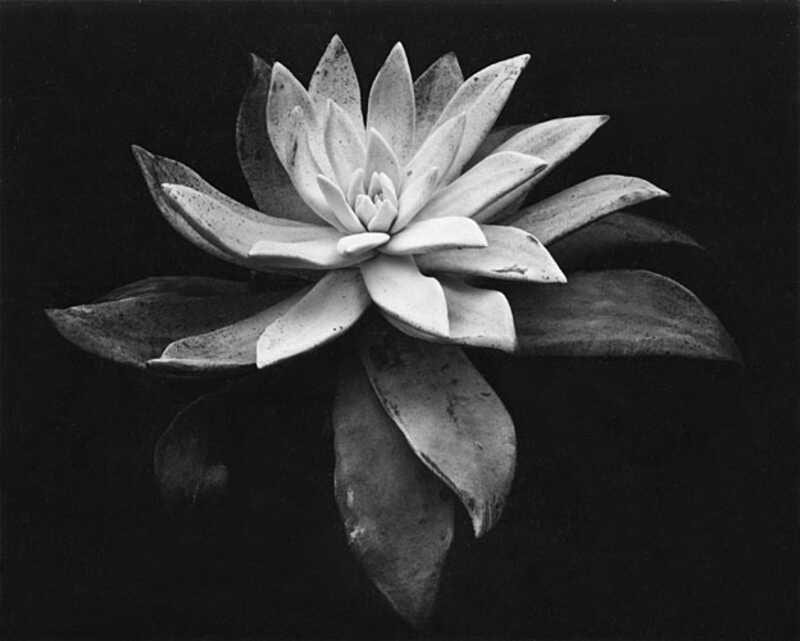


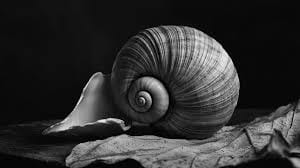

This is an Edward Weston photograph taken in his 1927 project ‘shells’ which is considered one of his most iconic shoots of his career.
The subject in the photo is an irregular shaped shell. Weston enjoyed taking close-up photos of irregular, organic shapes and surfaces, allowing the viewer to see the beauty in natural objects.
The shell is shot using the rule of thirds, therefore is purposely framed by negative space. Weston did this to isolate the subject, highlight texture and emphasize its sculptural form.
“The camera should be used for the recording of life, for rendering the very substance and quintessence of the thing itself… I feel definite in my belief that the approach to photography – and its most difficult approach – is through realism.”
– Edward Weston
Edward Weston shoot plan
For this Weston inspired photoshoot I plan to create a monotone background out of pieces of card, then arrange a variety of natural objects to look sharp and focused under the effect of alternative lighting. To photograph these objects, I will need to focus on abstraction and visualise the patterns the object can create and different focuses I can use to make the image look powerful. Finally, I will edit the photos into black and white for emphasis and adjust the brightness and contrast if needed.

Edward Weston photo shoot


This photoshoot went well for me and is clearly inspired by Weston’s work because it shares the same features, such as, being edited in black and white and shot with a solid black background. I like this set of images because it highlights the tonal range of the photo, I further enhanced this by using the burn and dodge tool in Photoshop. However, I found that the black and white filter can sometimes hide the texture of the object so, to prevent this on the next shoot, I will try clearer lighting techniques to elevate my photos.

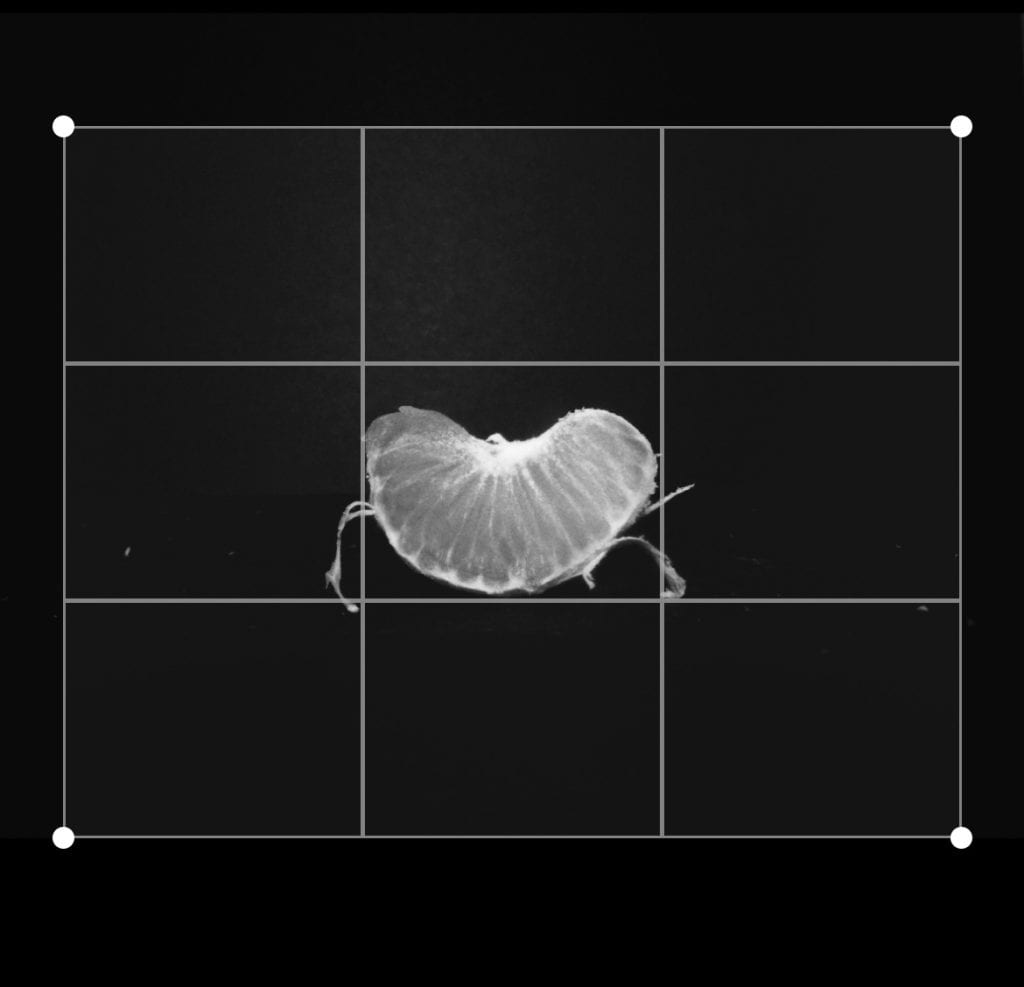
I’ve edited this photo by changing the image into black and white and using the burn and dodge tool on Photoshop. I did this to highlight the subject and enhance the tonal range of the image, inspired by Weston.
Fay Godwin
Fay Godwin was a British photographer that was known for her black and white landscape images of the countryside and coast, she gained her inspiration from her long, scenic walks. I like her images because they symbolise the power of nature and the absence of humans, this creates a sense of emptiness and invites the viewers to think deeper into the unknown of the photo.


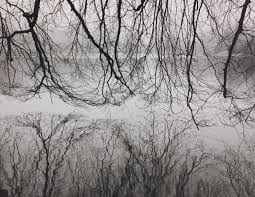
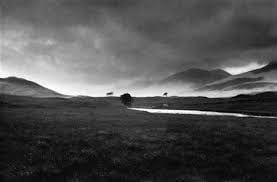
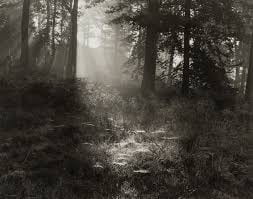
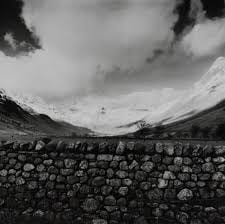

Here is a selection of her photos she took because she was a strong environmental activist and was passionate about spreading the unique beauty of the countryside she lived in.
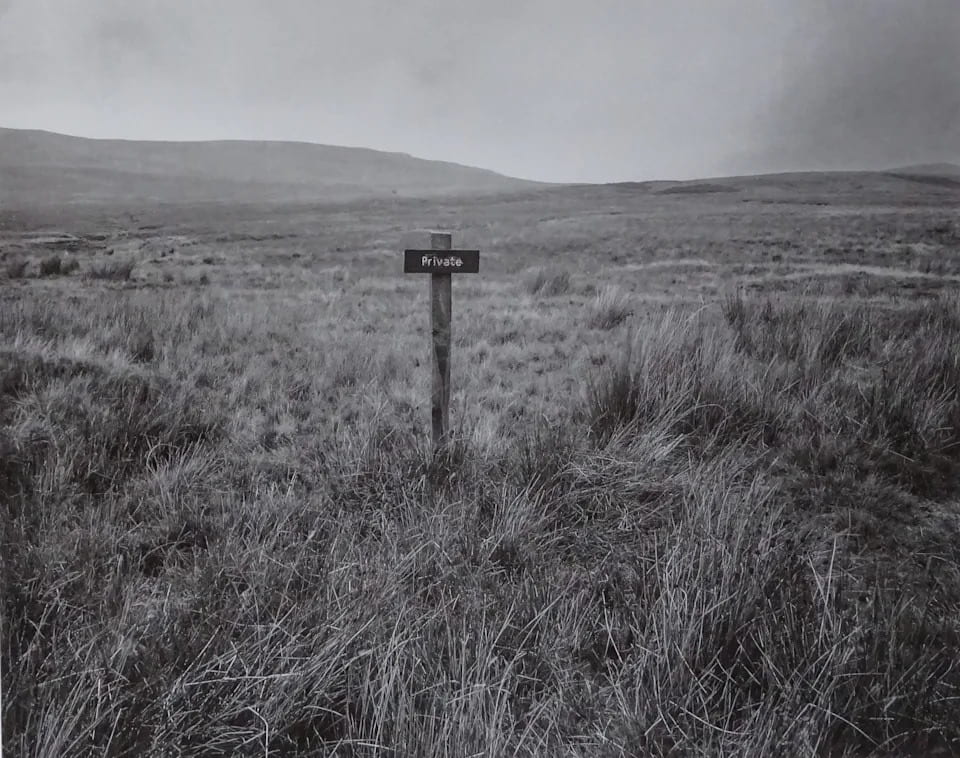
I was particularly interested by this photo of hers because there is a lone subject around the centre of the photo. To me, this creates a sense of mystery and highlights the embedded history that is hidden in these places she photographed.
The simplicity of the photo caught my attention and allowed my imagination to fill in my own narrative of the photo. This seems to be a common, likeable theme in Godwin’s work. The image is shot in black and white; this can represent the timelessness of the image – focusing on the natural history of the land; it could also be shot in this monotone style to give the photo and her project ‘Our Forbidden Land’ a dramatic effect to represent the harsh reality of the British countryside and gives a “painful honesty” to her photos.

I was particularly interested by this photo of hers because there is a lone subject around the centre of the photo. To me, this creates a sense of mystery and highlights the embedded history that is hidden in these places she photographed.
The simplicity of the photo caught my attention and allowed my imagination to fill in my own narrative of the photo. This seems to be a common, likeable theme in Godwin’s work.
For my Fay Godwin shoot, I plan on looking for landscapes or structures that create the idea of a view that has been touched but not harmed by humans. I will then edit the photos into black and white to illustrate the lack of human life and accentuate the isolated mood and tone.
Fay Godwin photo shoot
When shooting in the style of Godwin I found that she experiments with the rule of thirds very often. She also tends to have no human subjects in her photos and some of her photographs illustrate abandoned places that look desolate, ancient, and foreboding. I used this to my advantage when I visited the French Alps and experimented in her style.


When shooting in her style, I made sure to only capture rural landscapes. I also edited the photos into black and white to further add to the isolated mood. Godwin was passionate about preventing untouched landscapes from being polluted by humans or altered by the modern world, so I kept this in mind as I photographed and was inspired by her views.

This was a photograph I was really proud of because I think I successfully captured Godwin’s style by using the rule of thirds when framing my subjects. The lone road in the image is a representation of the man-made structures that pollute natural views and locations, as the road continues and we, as viewers, do not see an end, showing the effect humans have on nature.
In the style of Godwin, I edited my images into black and white to add dramatic effect and put emphasis on the form and structure of all the subjects in the photo.
Andy Goldsworthy
Andy Goldsworthy is a British photographer known for creating land art using natural materials. For his temporary nature pieces, he used his bare hands and then left his sculptures to be reclaimed by the nature they came from. His art explores the cycles of nature and the effects of time; you can also relate the relationship between humans and the natural world.

In this photograph taken by him, I notice that the subject of the photo is a man-made twig arrangement. When Goldsworthy took this photo, he made sure to frame the subject in the centre of the picture using the rule of thirds.
The viewers main attention would usually be drawn to the circular, monotone shape in the centre of the arrangement, this creates a lonely, isolated mood.
Similarly, I noticed that in this photo there is a man-made pebble arrangement, also created by Goldsworthy.
This time, the black circle is not only in the centre of the arrangement, but also in the centre of the photograph. The colour change of the pebbles caught my eye because the colours seem to get lighter as they get closer to the centre.

My plan for this shoot is to arrange different natural forms (such as, leaves, twigs and rocks) into an organised pattern to create a piece of art that catches the viewers’ attention and looks neat when photographed. I also plan to shoot in black and white.

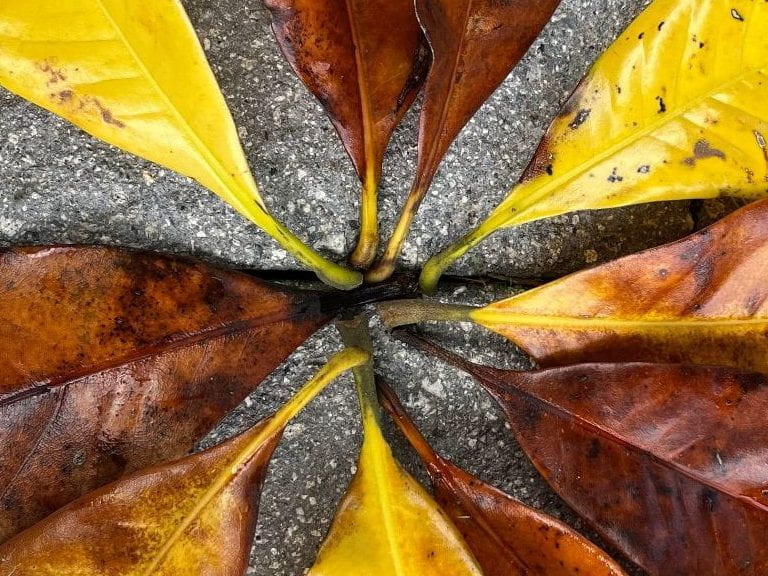
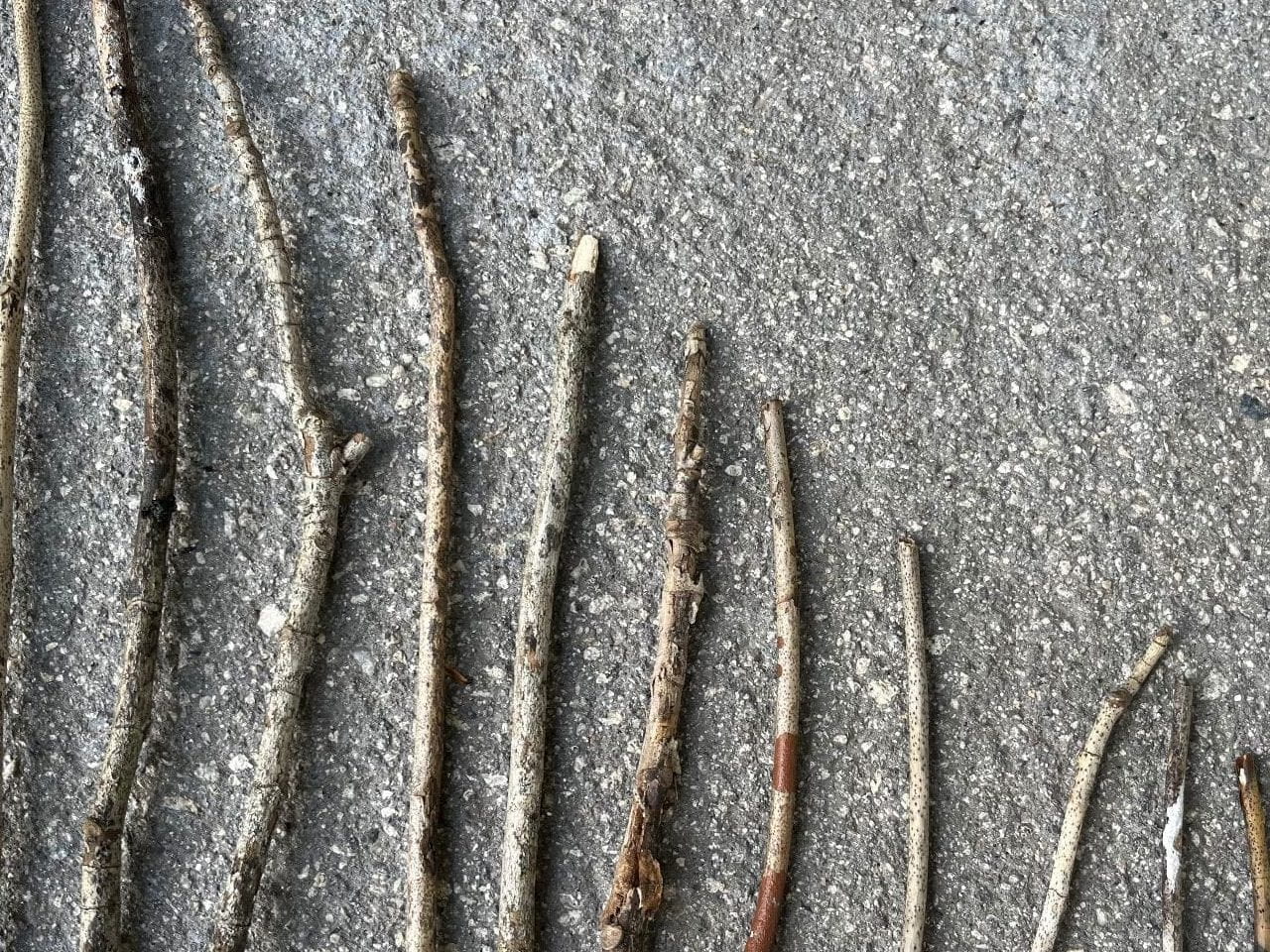


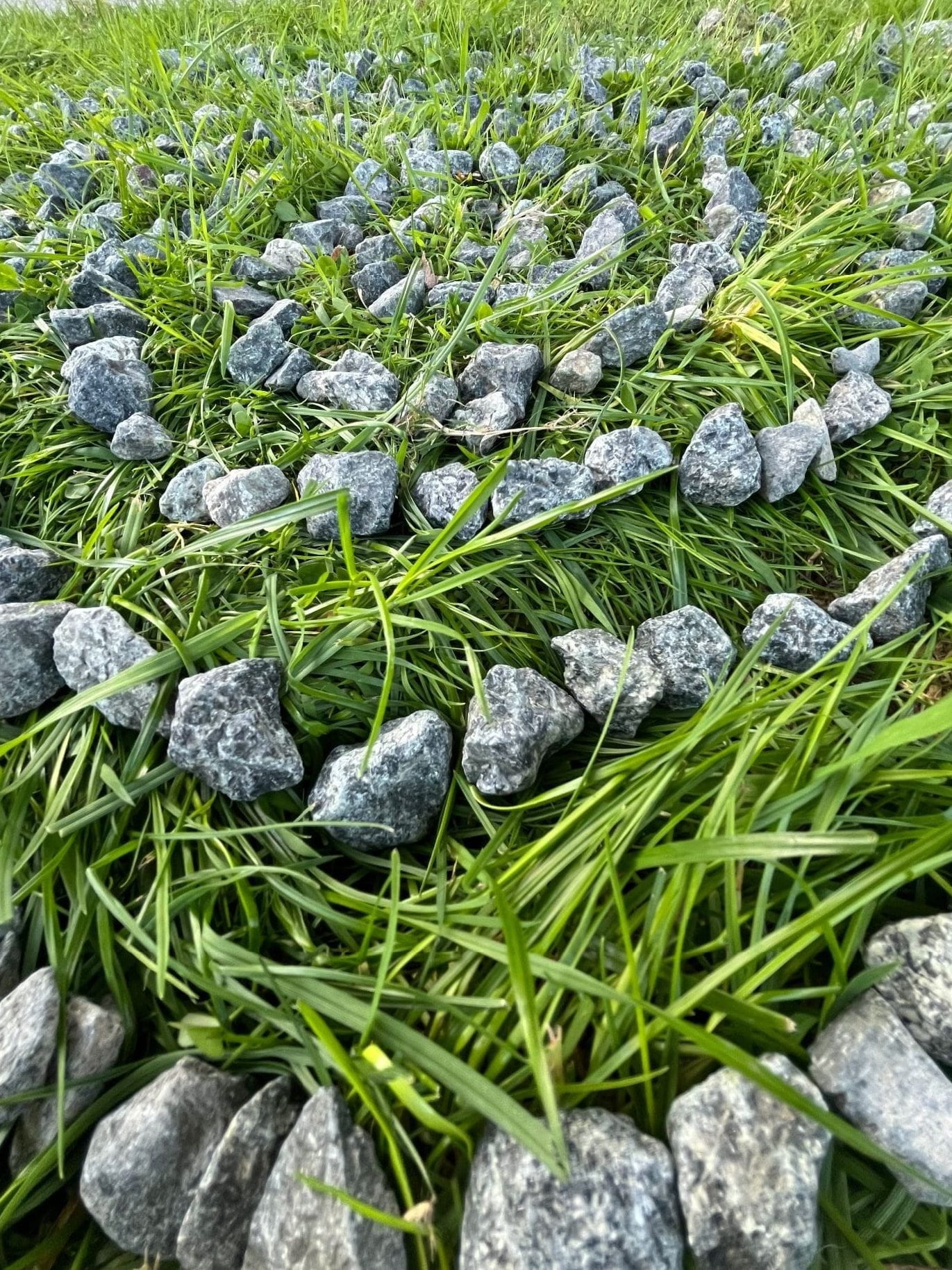
When reflecting upon this shoot, I realise that it was very tedious to display these natural art pieces into arranged shapes. After exploring Goldsworthy’s style of work, I can appreciate how much time is put into these types of shoots. After the photos were turned into black and white I grew fonder of my personal shoot, however it is not my best work and have preference over my other styles of work.
My next steps:
For my next shoot I am going to continue to be inspired by Edward Weston’s work and gather a collection of still life objects. To add my own twist, my plan is to dampen the objects with water and really focus on the form of the water droplets. To capture the complete stillness of the image, I need to use a fast shutter speed, and I will explore turning the images into black and white for dramatic effect and to also highlight the texture of the subjects.
*CONTACT SHEET*
Looking at my contact sheet, it is clear some of my images came out blurry, this is because at the beginning of my shoot I increased the shutter speed and, my hand or the subject, was moving – causing the blurriness. I then repaired this issue by setting up my own camera stand this seemed to have resolved the blurriness. Also, by decreasing the shutter speed to between 4 -11⁄4 I actually found the focus on water droplets to be more defined.
*FINAL PHOTOS*
evaluation
The next shoot I’ve independently planned is to experiment with indoor, household objects in an outside setting. This will hopefully inspire confusion in an abstract way for the viewer. It can also hopefully inspire the abstract thought of humans and mankind invading nature and natural settings.


editing process
*FINAL PHOTOS*
evaluation